Exploring Israel: A Journey Through History and Faith
- zattarz
- Oct 8, 2025
- 5 min read
Updated: Oct 25, 2025
Israel is a land steeped in history and faith. From ancient ruins to vibrant cities, every corner tells a story. This small country is a crossroads of cultures, religions, and traditions. Whether you are a history buff, a spiritual seeker, or simply a curious traveler, Israel offers a unique experience that captivates the heart and mind.
In this blog post, we will explore some of the most significant historical sites and religious landmarks in Israel. We will also discuss the rich tapestry of cultures that make this country so special. Join us on this journey through time and faith.
The Old City of Jerusalem
Jerusalem is one of the oldest cities in the world. It holds immense significance for Judaism, Christianity, and Islam. The Old City is divided into four quarters: Jewish, Christian, Muslim, and Armenian. Each quarter has its own unique character and history.
The Western Wall
The Western Wall, also known as the Wailing Wall, is a sacred site for Jews. It is the last remaining part of the Second Temple, which was destroyed in 70 CE. Pilgrims from around the world come to pray at this wall. Visitors can often see people writing prayers on small pieces of paper and placing them in the cracks of the wall.
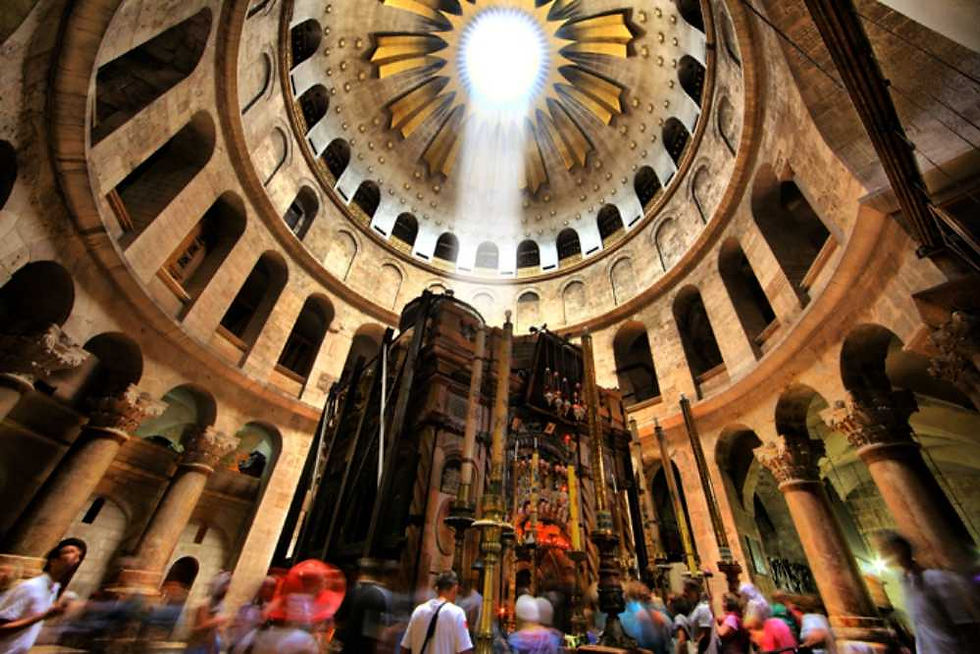
The Church of the Holy Sepulchre
For Christians, the Church of the Holy Sepulchre is a must-visit. This church is believed to be the site of Jesus' crucifixion, burial, and resurrection. The atmosphere inside is both reverent and bustling, with pilgrims lighting candles and praying at various altars.
The Dome of the Rock
The Dome of the Rock is an iconic symbol of Jerusalem. This stunning mosque is located on the Temple Mount and is one of the oldest Islamic structures in the world. The golden dome shines brightly against the blue sky, making it a breathtaking sight.
The Sea of Galilee
The Sea of Galilee is not just a beautiful body of water; it is also a place of great significance in the New Testament. Many of Jesus' teachings and miracles took place here.
Tiberias
The city of Tiberias is located on the western shore of the Sea of Galilee. It is a popular destination for both tourists and pilgrims. Visitors can enjoy boat rides on the sea, explore ancient ruins, and taste delicious local cuisine.
Capernaum
Capernaum is an archaeological site that was once a thriving fishing village. It is believed to be the home of Peter, one of Jesus' disciples. The remains of an ancient synagogue can still be seen here, along with the foundations of Peter's house.
Masada: A Symbol of Resilience
Masada is an ancient fortress located on a plateau overlooking the Dead Sea. It is famous for its dramatic history. In 73 CE, a group of Jewish rebels made their last stand against the Roman Empire here. The story of their bravery and determination has become a symbol of resilience for the Jewish people.
The Ascent to Masada
Visitors can reach Masada by hiking the Snake Path or taking a cable car. The hike is challenging but offers stunning views of the surrounding landscape. Once at the top, you can explore the ruins and learn about the history of this remarkable site.
The Dead Sea: A Unique Natural Wonder
The Dead Sea is one of the most unique places on Earth. It is the lowest point on the planet and is famous for its high salt content. This makes it impossible for most marine life to survive, hence the name "Dead Sea."
Floating in the Dead Sea
One of the most popular activities at the Dead Sea is floating in its salty waters. The high salt concentration allows you to effortlessly float on the surface. Many visitors also enjoy the therapeutic mud found along the shores, which is said to have healing properties.
Nazareth: The Childhood Home of Jesus
Nazareth is known as the childhood home of Jesus. It is a city rich in Christian history and is home to several important sites.
The Basilica of the Annunciation
The Basilica of the Annunciation is one of the most significant churches in Nazareth. It is built on the site where it is believed that the Angel Gabriel announced to Mary that she would give birth to Jesus. The church is beautifully designed and attracts many visitors each year.
The Nazareth Village
Nazareth Village is a living history museum that recreates life in the time of Jesus. Visitors can see traditional crafts, farming techniques, and even participate in ancient customs. It offers a unique glimpse into the past.
Tel Aviv: A Modern Metropolis
While Israel is known for its ancient history, Tel Aviv represents the modern side of the country. This vibrant city is known for its nightlife, beaches, and cultural scene.
The Beaches of Tel Aviv
Tel Aviv boasts beautiful Mediterranean beaches. Visitors can relax on the sand, swim in the sea, or enjoy water sports. The beach promenade is lined with cafes and restaurants, making it a perfect spot to unwind.
The Carmel Market
The Carmel Market is a bustling marketplace where you can find fresh produce, spices, and local delicacies. It is a great place to experience the flavors of Israel. Be sure to try some traditional dishes like falafel and shawarma.
Haifa: The City of Gardens
Haifa is known for its stunning gardens and beautiful views of the Mediterranean Sea. The Baha'i Gardens, a UNESCO World Heritage site, are a highlight of the city.
The Baha'i Gardens
The Baha'i Gardens are terraced gardens that descend the slopes of Mount Carmel. They are meticulously maintained and offer breathtaking views. Visitors can take a guided tour to learn about the Baha'i faith and its history.
The Galilee Region: Nature and History
The Galilee region is known for its natural beauty and historical significance. It is a great place for outdoor activities and exploring ancient sites.
Hiking in the Galilee
There are many hiking trails in the Galilee, offering stunning views of the landscape. The Mount Hermon area is popular for hiking and skiing in the winter months.
Ancient Sites
The Galilee is home to several ancient sites, including the ruins of the ancient city of Zippori. This site features beautiful mosaics and offers insight into life during the Roman period.
A Tapestry of Cultures
Israel is a melting pot of cultures. The diverse population includes Jews, Arabs, Christians, and Druze. Each group contributes to the rich cultural landscape of the country.
Festivals and Celebrations
Throughout the year, Israel hosts various festivals that celebrate its diverse cultures. From Jewish holidays like Passover and Hanukkah to Arab festivals like Eid al-Fitr, there is always something happening.
Culinary Diversity
Israeli cuisine reflects the country's cultural diversity. You can find a mix of Middle Eastern, Mediterranean, and Eastern European flavors. Be sure to try local dishes like hummus, shakshuka, and baklava.
The Spiritual Journey
For many, a trip to Israel is a spiritual journey. The country is filled with sacred sites and places of worship.
Pilgrimage Sites
Many people come to Israel to walk in the footsteps of their faith. Pilgrimage sites like the Mount of Olives, the Jordan River, and the Sea of Galilee are significant for Christians. For Jews, sites like the Western Wall and Hebron hold deep meaning.
Reflection and Connection
Visitors often find a sense of peace and connection in Israel. The landscapes, historical sites, and spiritual atmosphere create a unique environment for reflection and growth.
Final Thoughts
Exploring Israel is more than just visiting historical sites. It is a journey through time, faith, and culture. Each location offers a glimpse into the past and a connection to the present. Whether you are wandering through the streets of Jerusalem, floating in the Dead Sea, or enjoying the vibrant life of Tel Aviv, Israel leaves a lasting impression.
As you plan your journey, remember to embrace the diversity and richness of this remarkable country. Israel is waiting to share its stories with you.


Comments